
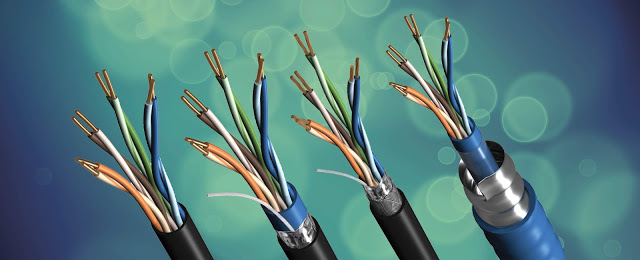
Installing Ethernet on the factory floor is not new. What is changing is its adoption for controlling communications to power-hungry machines, often in areas regulated by the National Electrical Code (NEC).
 You are here:
News
Compact Industrial Gateway for High-Speed Data Transfer
Getting Started: Cross-Site Remote Management for ADAM Modbus I/O with EdgeHub
Advantech and Qualcomm Strengthen Collaboration to Accelerate Innovations with AI On Premises
You are here:
News
Compact Industrial Gateway for High-Speed Data Transfer
Getting Started: Cross-Site Remote Management for ADAM Modbus I/O with EdgeHub
Advantech and Qualcomm Strengthen Collaboration to Accelerate Innovations with AI On Premises
Installing Ethernet on the factory floor is not new. What is changing is its adoption for controlling communications to power-hungry machines, often in areas regulated by the National Electrical Code (NEC).

It’s hard to imagine living our lives today without the Internet. From finding information and getting directions to online shopping and YouTube entertainment, the Internet has become essential to the daily lives of most people in the developed world.
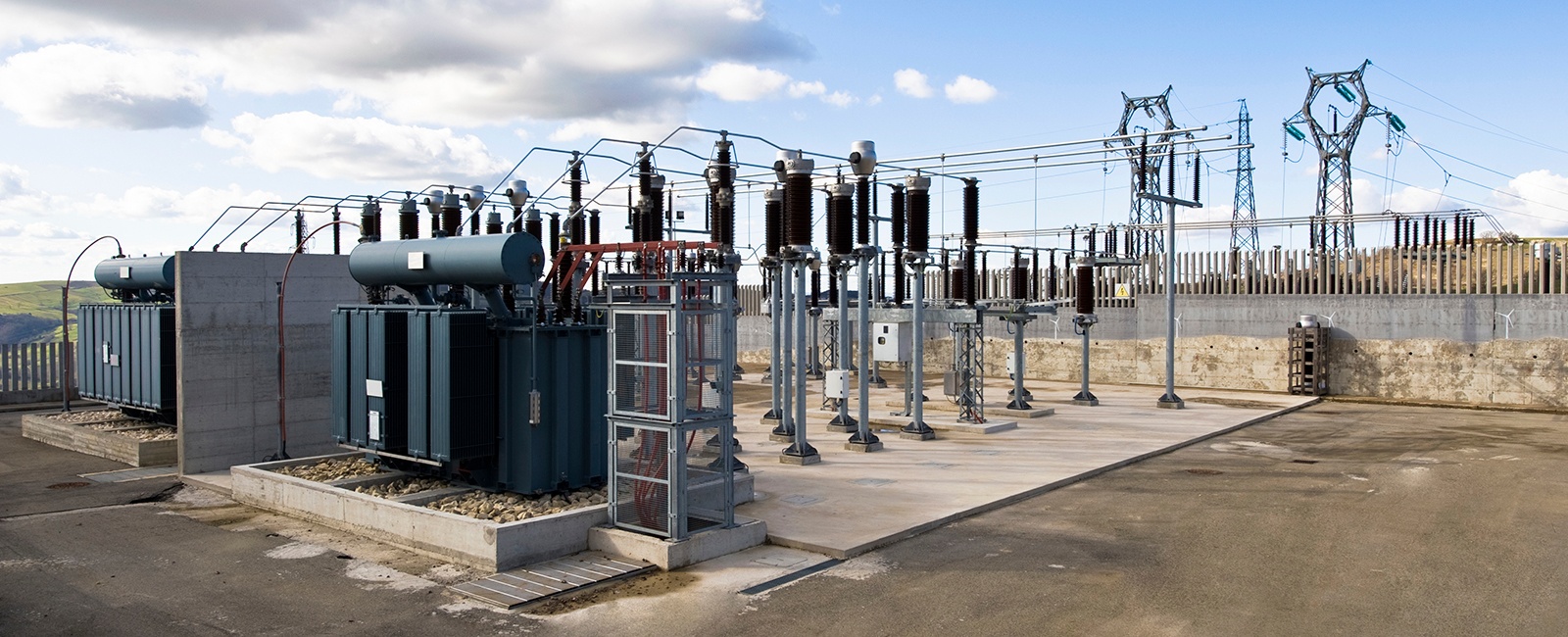
Many North American power utilities have large numbers of electrical substations that operate well but are not connected to a central Energy Management System (EMS). These islands of critical infrastructure are equipped with legacy devices running on proprietary protocols. Impossible to monitor without someone physically visiting them, such substations prevent utilities from delivering on the promise of the smart grid.
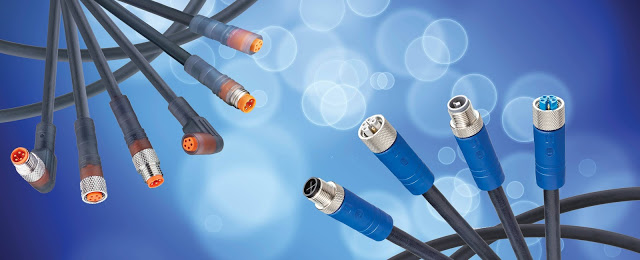
Thirty years ago most industrial control systems (ICS) were hardwired. Often sensors and actuators came with long wires already attached or individual wires that weren’t even jacketed together. Those wires would be threaded through conduits and then wired into the system. This was a time-consuming process that required the services of an electrician, costing organizations significant time and money.

While IT and controls engineering traditionally have been two widely separate disciplines, the adoption of Ethernet for industrial networking has increasingly brought the two worlds together. Then along comes the Industrial Internet of Things (IoT), with more and more connected devices. Now the need to marry engineering expertise with IT smarts is vital for keeping production networks humming.
Languages
Blog categories
Newsletter