
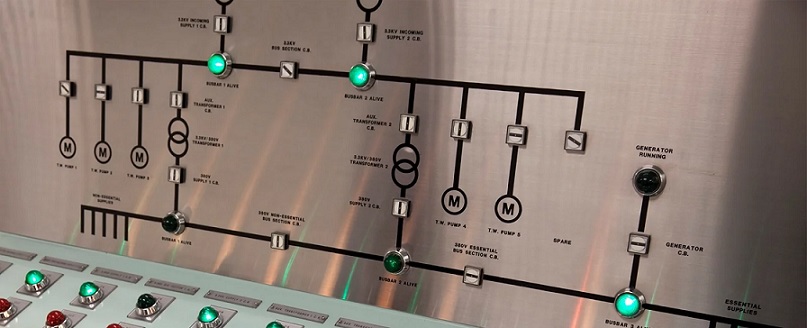
As a software engineer who creates industrial security technologies I am often asked “Why are industrial networks so hard to secure?” This is a big topic, so today I will address only “Why are PLCs so insecure?”
 You are here:
News
Compact Industrial Gateway for High-Speed Data Transfer
Getting Started: Cross-Site Remote Management for ADAM Modbus I/O with EdgeHub
Advantech and Qualcomm Strengthen Collaboration to Accelerate Innovations with AI On Premises
You are here:
News
Compact Industrial Gateway for High-Speed Data Transfer
Getting Started: Cross-Site Remote Management for ADAM Modbus I/O with EdgeHub
Advantech and Qualcomm Strengthen Collaboration to Accelerate Innovations with AI On Premises
As a software engineer who creates industrial security technologies I am often asked “Why are industrial networks so hard to secure?” This is a big topic, so today I will address only “Why are PLCs so insecure?”

This week, the largest electric utility trade show and conference in the U.S., DistribuTECH, is being held. One of the tracks in the conference portion of the event is “Defending the Grid.” The prominence of the topic at this show is due in part to new NERC CIP requirements designed to strengthen reliability and security. Another reason grid protection is a hot topic is high-profile cyberattacks such as the recent one on the Ukraine power system.
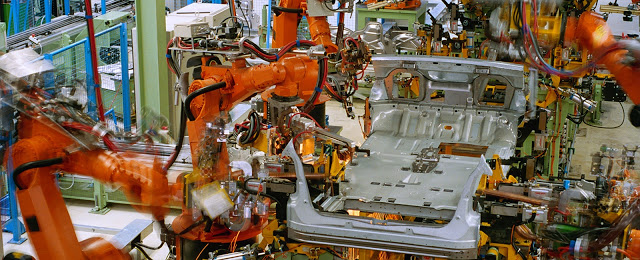
First lets cover, what does VFD stand for? VFD stands for Variable Frequency Drives, and they are essential to the industrial world. Since they help adjust the speed and voltage supplied to the motor, manufacturing applications can adapt in real-time to changing needs.

Just as industrial automation systems in plants are migrating from fieldbus to Ethernet, so too are the networks that control modern transportation systems. Let’s think for a moment about railway systems, which include everything from subway or metro systems in cities to light rail networks in major urban areas to high-speed trains connecting states or countries.
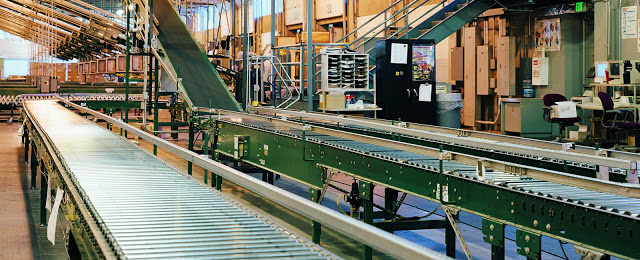
If you build machines for manufacturers or are in charge of operations at a manufacturing organization, saving time is an important way to stay ahead of the competition.
Languages
Blog categories
Newsletter