

IO-Link technology, based on the IEC 61131-9 standard for programmable controllers, allows for communication among smart sensors, actuators and PLCs of all kinds. It has played a major role...
 You are here:
News
Compact Industrial Gateway for High-Speed Data Transfer
Getting Started: Cross-Site Remote Management for ADAM Modbus I/O with EdgeHub
Advantech and Qualcomm Strengthen Collaboration to Accelerate Innovations with AI On Premises
You are here:
News
Compact Industrial Gateway for High-Speed Data Transfer
Getting Started: Cross-Site Remote Management for ADAM Modbus I/O with EdgeHub
Advantech and Qualcomm Strengthen Collaboration to Accelerate Innovations with AI On Premises
IO-Link technology, based on the IEC 61131-9 standard for programmable controllers, allows for communication among smart sensors, actuators and PLCs of all kinds. It has played a major role...
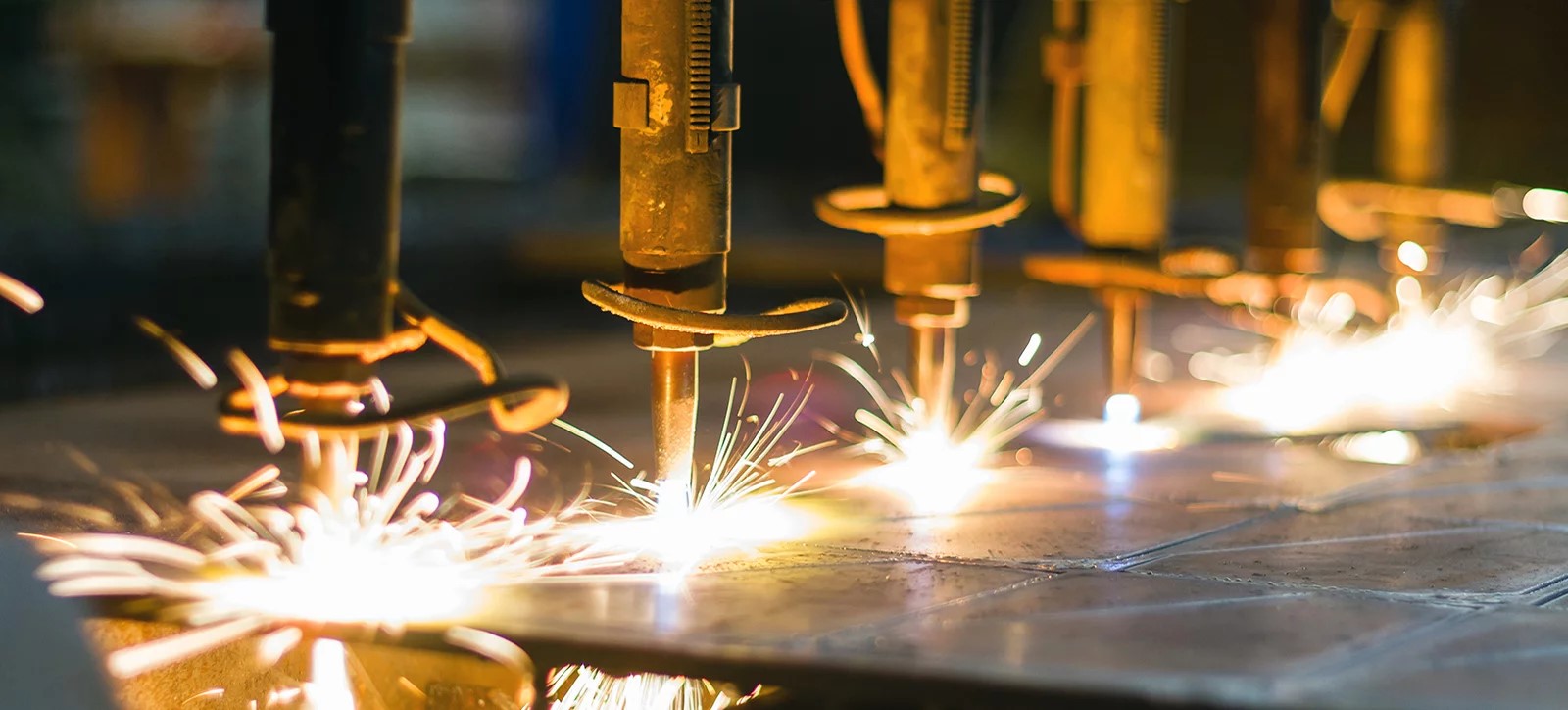
Vibration and noise are common in industrial environments like manufacturing and rail transport. The rumble of assembly lines can interrupt data transmission and connectors can be jarred loose. Think about how much vibration occurs as a rail car travels to its destination. Environments like these require a ruggedized product.
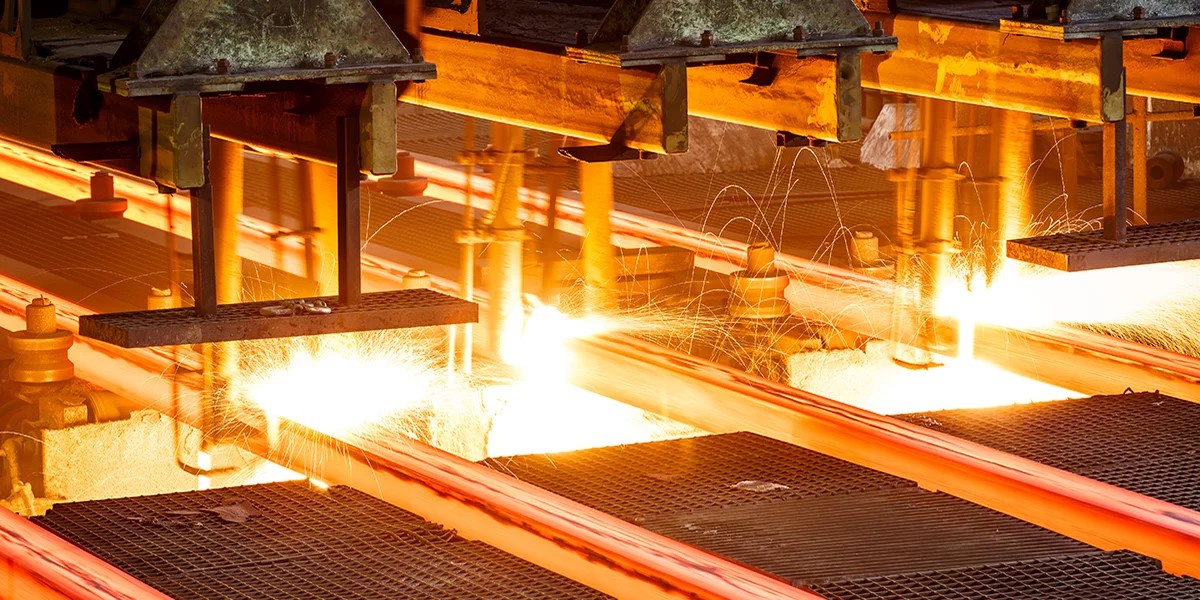
The environment many industrial facilities operate in is significantly different from that of an office building or retail store. And yet, many (seemingly) basic functions are still expected to run smoothly, despite these conditions. Factories need to be able to transfer data from one machine to another and they need to be able to rely on their cable to perform in extreme conditions.

If you’re a machine builder, you know how important the miniaturization trend is and how you need to constantly strive to design precise and efficient machines. Smaller machines reduce energy demand, increase design flexibility, allow for more machines to run in the same crowded factory footprint and reduce maintenance costs, among other things. All of this amounts to lower costs and greater productivity.
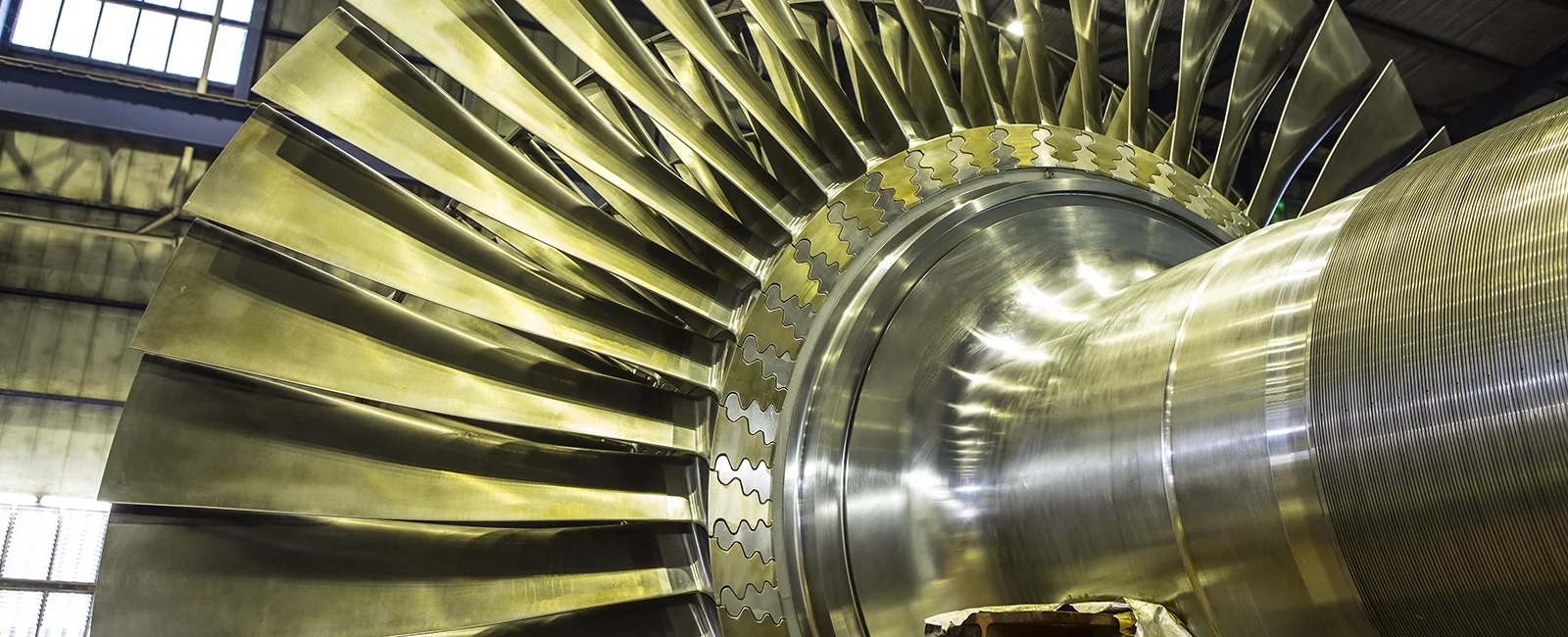
In Part 1 of my blog on VFD cable and motor life, I explained how using THHN cable or other non-specialized cable to connect VFDs to motors leads to premature motor failure and electronic noise that is wreaking havoc on process sensors and degrading safety on the plant floor. Specifying specialized VFD cable can help avoid these issues, but, unfortunately, there are no standards for VFD cable features and construction, so it is definitely a case of buyer beware. Here, in Part 2, we will discuss what to look for in VFD cable, so that you can make a more informed decision.
Languages
Blog categories
Newsletter